Social Symphonies: Composing the Melodies of Collaborative Harmony
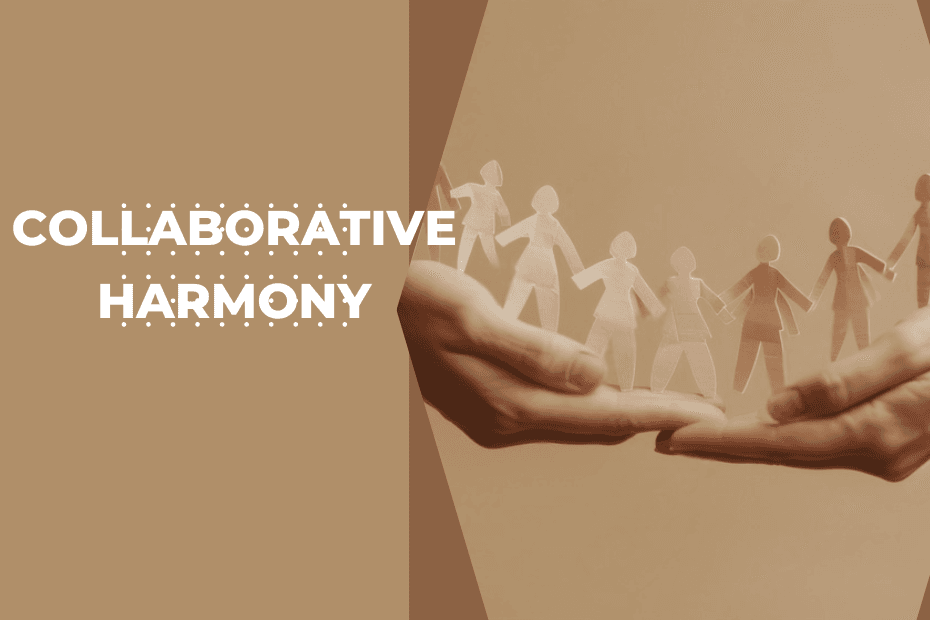
In the realm of leadership, creating a harmonious and collaborative environment is akin to composing a symphony. Each team member represents a unique instrument, contributing their distinct sound to the collective melody. Effective leaders act as conductors, ensuring that all elements work together seamlessly to produce a beautiful and cohesive performance. This article explores the concept of social symphonies, highlighting the strategies leaders can use to foster collaborative harmony within their teams. By understanding and applying these principles, leaders can create an environment where collaboration flourishes and organizational goals are achieved. We will delve into the roles of communication, emotional intelligence, diversity, trust, and technology in creating this harmony.
Understanding Collaborative Harmony
Collaborative harmony in leadership refers to the seamless integration of diverse talents, perspectives, and efforts to achieve a common goal. Just as in a musical composition where different instruments and notes blend to create harmony, a well-coordinated team produces synergistic results that exceed the sum of individual contributions. This harmony is built on mutual respect, open communication, and a shared vision.
For example, in a tech startup, a leader might ensure that software developers, designers, and marketing professionals work together from the early stages of a project. This integration allows for better alignment, smoother workflows, and more innovative solutions. By ensuring that every team member understands the overall vision and their role within it, the leader can foster a sense of unity and purpose that drives collaborative success.
The Role of the Leader as Conductor
In a social symphony, the leader acts as the conductor, guiding the tempo and ensuring that all team members are in sync. This role involves setting clear expectations, facilitating communication, and resolving conflicts. Leaders must be adept at recognizing individual strengths and orchestrating them in a way that benefits the entire team.
A practical approach might involve regular team meetings where progress is reviewed, challenges are discussed, and feedback is encouraged. This helps keep everyone aligned and ensures that any discord is addressed promptly, maintaining the overall harmony. Additionally, leaders can use these meetings to highlight successes and recognize contributions, which reinforces the collaborative spirit.
Fostering Open Communication
Open communication is the foundation of collaborative harmony. Leaders should create an environment where team members feel safe to share their ideas, concerns, and feedback. This involves actively listening, encouraging diverse viewpoints, and fostering a culture of transparency.
For instance, implementing an open-door policy or using collaborative tools like Slack can facilitate ongoing dialogue and ensure that everyone feels heard. Regularly scheduled check-ins and feedback sessions also contribute to a more open and communicative team environment. Encouraging team members to voice their opinions and suggestions during these sessions can lead to innovative ideas and solutions that benefit the entire organization.
Leveraging Diversity for Innovation
Diversity in a team is akin to the various instruments in an orchestra. Each member brings a unique perspective and set of skills that, when combined, can lead to innovative solutions. Leaders should actively seek to build diverse teams and leverage this diversity to drive creativity and problem-solving.
A leader might encourage cross-functional teams where members from different departments collaborate on projects. This not only brings together varied expertise but also fosters a culture of learning and mutual respect. For example, combining the analytical skills of data scientists with the creative insights of marketing professionals can lead to more effective and innovative marketing strategies.
Encouraging Emotional Intelligence
Emotional intelligence (EQ) is crucial for maintaining collaborative harmony. Leaders with high EQ can manage their own emotions and understand those of their team members, fostering a supportive and empathetic environment. This emotional awareness helps in resolving conflicts, building strong relationships, and maintaining a positive team dynamic.
For example, a leader who notices a team member feeling overwhelmed can offer support or adjust workloads, showing empathy and concern. This approach not only helps the individual but also strengthens the overall team morale. Leaders can also provide training on emotional intelligence to help team members develop their own EQ, further enhancing the collaborative atmosphere.
Celebrating Successes and Learning from Failures
Celebrating successes and learning from failures are both essential for maintaining team harmony. Recognizing achievements boosts morale and motivation, while reflecting on failures fosters a growth mindset and continuous improvement. Leaders should create opportunities for both celebration and reflection.
Regularly scheduled celebrations for milestones, whether through formal events or simple acknowledgments in meetings, can reinforce positive behavior. Similarly, post-project reviews can help teams analyze what went well and what could be improved, turning failures into valuable learning experiences. By fostering a culture that celebrates success and views failures as learning opportunities, leaders can maintain a positive and resilient team dynamic.
Utilizing Technology to Enhance Collaboration
Technology plays a vital role in enhancing collaboration, especially in today’s digital world. Tools like project management software, video conferencing, and collaborative platforms enable teams to work together more efficiently and effectively, regardless of location. Leaders should leverage these tools to facilitate communication and collaboration.
For instance, using a platform like Trello or Asana can help keep projects on track and ensure that all team members are aware of their responsibilities and deadlines. Video conferencing tools like Zoom can maintain face-to-face interactions, crucial for building rapport and trust. Additionally, collaborative software like Google Workspace can facilitate real-time collaboration on documents and projects, enhancing productivity and teamwork.
Building a Culture of Trust and Respect
Trust and respect are the bedrock of collaborative harmony. Leaders must build and maintain trust by being consistent, reliable, and fair. This involves keeping commitments, respecting diverse opinions, and treating all team members with dignity. A culture of trust and respect encourages open communication and collaboration.
For example, leaders can build trust by being transparent about decisions and involving team members in the decision-making process. Recognizing and valuing the contributions of all team members also reinforces a culture of respect and inclusivity. Regularly acknowledging the efforts and successes of team members in meetings and through formal recognition programs can further build trust and respect within the team.
In Conclusion
Composing the melodies of collaborative harmony requires a leader to be both a skilled conductor and a supportive collaborator. By fostering open communication, leveraging diversity, encouraging emotional intelligence, celebrating successes, utilizing technology, and building a culture of trust and respect, leaders can create a symphony of collaboration that drives organizational success. Embracing these principles ensures that teams are not only productive but also engaged, motivated, and capable of achieving great things together. Through thoughtful leadership and a commitment to collaboration, leaders can transform their teams into harmonious and high-performing units. By prioritizing these strategies, leaders can create a work environment that not only meets but exceeds organizational goals, fostering a culture of continuous improvement and collective success.